The short version: brush twice daily for two minutes with fluoride toothpaste and spit rather than rinse, clean between your teeth once a day, cut how often you have sugar rather than only how much, avoid tobacco, and keep a check-up interval your dentist sets for you. The ten points below explain why each one matters and how to do it properly.
Maintaining good oral hygiene is essential for not just a beautiful smile, but also for your overall health. Poor oral hygiene can lead to various dental problems such as tooth decay, gum disease, and even tooth loss.
1. Brush Properly, Twice a Day
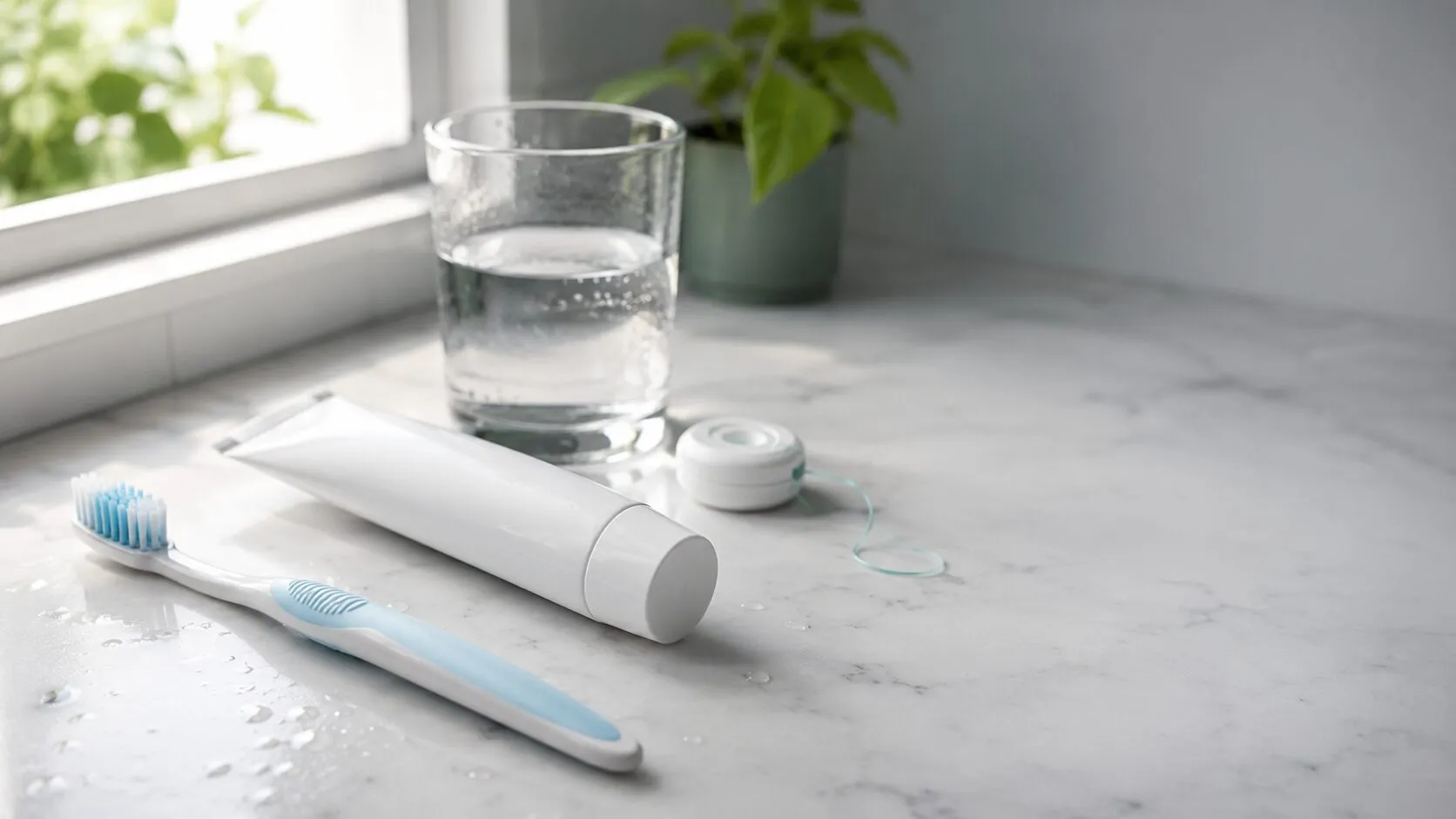
Brushing your teeth twice a day is fundamental, but how you brush matters just as much. Use a soft-bristled toothbrush and fluoride toothpaste. Hold your brush at a 45-degree angle to your gums and use gentle, circular motions.
2. Don't Neglect Your Tongue
Your tongue harbors bacteria that can lead to bad breath and other oral health problems. Gently brush your tongue every time you brush your teeth.
3. Clean Between Your Teeth Daily
Two of a tooth's five surfaces face its neighbours, and a brush reaches neither — which is why so much adult decay and gum disease begins between the teeth rather than on them. Floss works well where the contacts are tight. Where the gaps are wider, or where the gums have receded, a small interdental brush usually cleans better and is easier to keep up with. The best tool is the one you will actually use every day.
4. Use Mouthwash — but Not Straight After Brushing
An antibacterial mouthwash can reduce bacteria and freshen breath, but the timing matters more than most people are told. Rinsing immediately after brushing — with mouthwash or with plain water — washes away the concentrated fluoride the toothpaste has just left on your teeth. Spit after brushing and leave it at that; if you want a mouthwash, use it at a different time of day. Alcohol-free formulations are gentler if your mouth is dry or your gums are sore.
5. Stay Hydrated
Drinking plenty of water helps wash away food particles and bacteria. It also promotes saliva production, which naturally protects your teeth and gums.
6. Limit Sugary and Acidic Foods
Sugar feeds the harmful bacteria in your mouth, producing acids that erode tooth enamel. Limit your consumption and rinse your mouth with water afterwards.
7. Stop Smoking — and Paan, Gutka and Naswar Too
Smoking weakens the immune response in the gums, so gum disease advances faster and heals worse. It also stains teeth and causes bad breath. In Pakistan the larger and far less discussed risk is smokeless tobacco: a 2024 systematic review of Pakistani data identifies paan, chaalia, gutka and naswar as the dominant risk factors for oral cancer here, and the National Cancer Registry of Pakistan reports oral cavity cancer as the most frequently recorded cancer among Pakistani men. If you use any of them, ask your dentist to check the soft tissues — cheeks, tongue, floor of the mouth — at every visit, and treat anything that has not healed within two weeks as a reason to be seen rather than to wait.
8. Use Fluoride
Fluoride strengthens tooth enamel and fights decay. Use fluoride toothpaste and ask your dentist about fluoride treatments if you're prone to cavities.
9. Change Your Toothbrush Regularly
Replace your toothbrush or electric toothbrush head every 3-4 months, or sooner if the bristles are frayed.
10. Visit Your Dentist Regularly
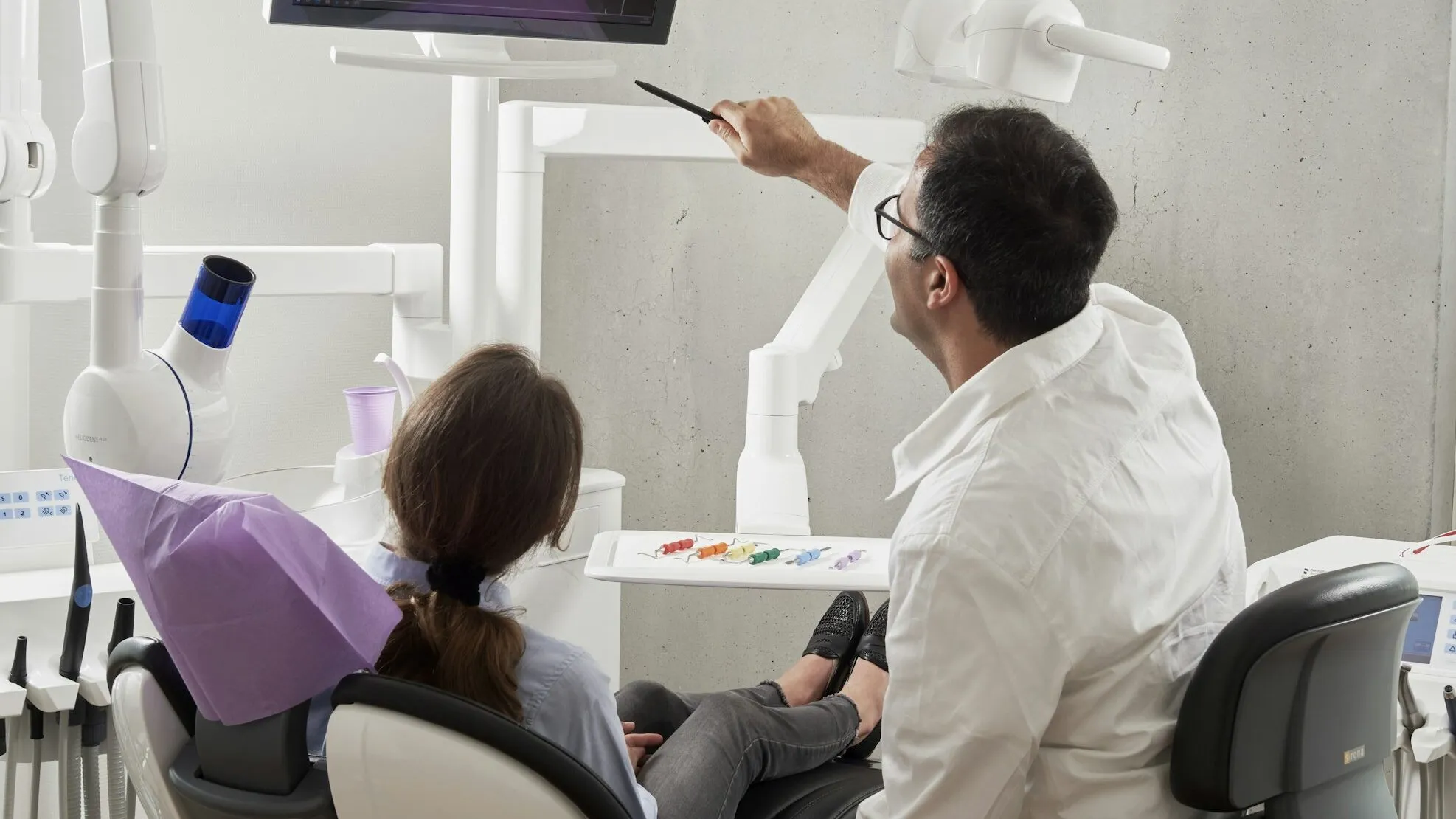
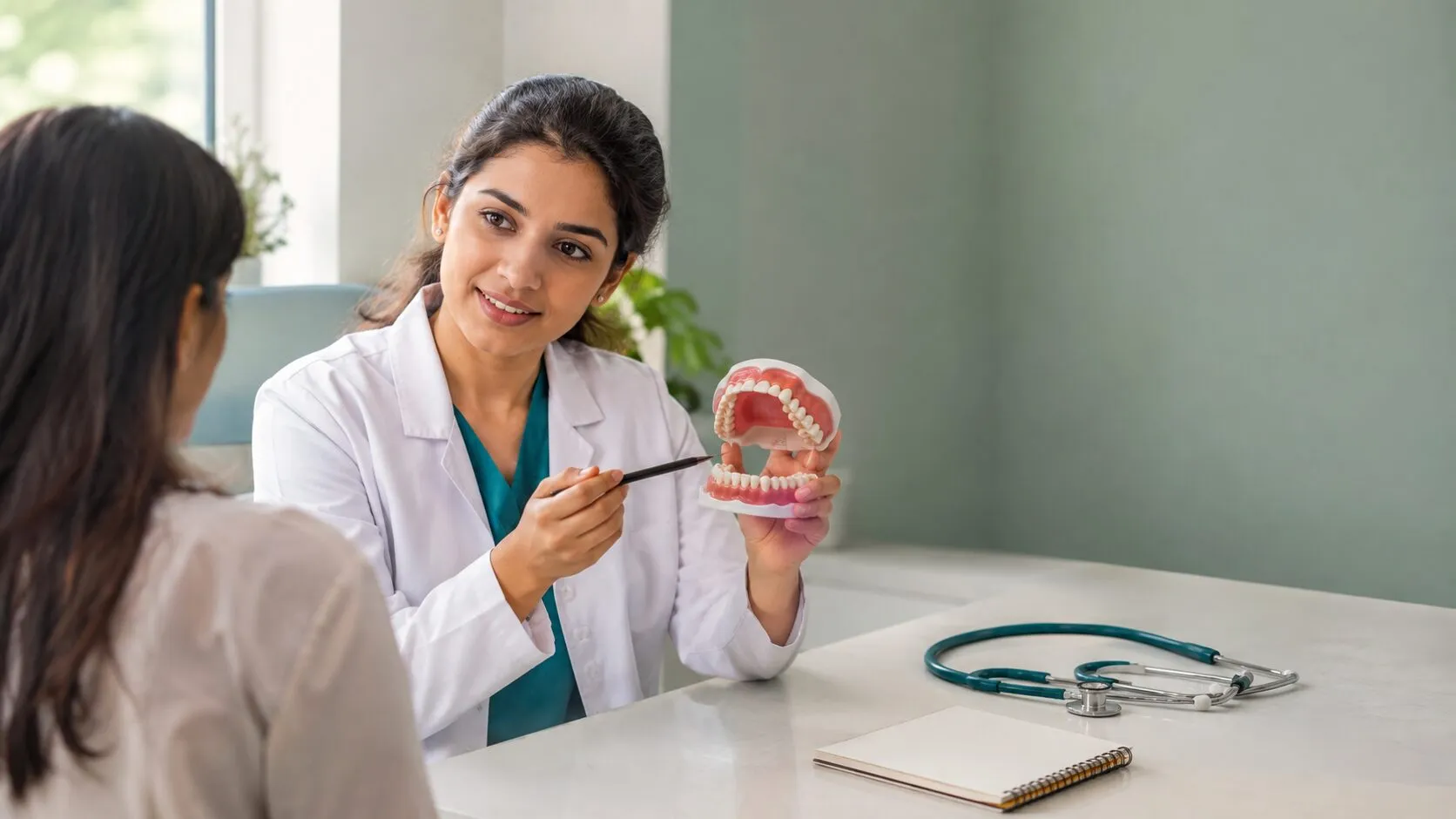
Regular dental check-ups and cleanings are crucial. Your dentist can detect early signs of problems and provide professional cleaning that removes hardened plaque. If you have been putting that off because of what you were told about scaling, whether a cleaning wears enamel down is a question the research has actually measured.
Is Miswak as Good as a Toothbrush?
Trials have not found miswak to remove more or less plaque than a toothbrush, though those trials are small and short, and the reviewers who pooled them call for caution. What a miswak cannot do is deliver fluoride, and it does not reach between the teeth — so keep it if you prefer it, use it alongside fluoride toothpaste rather than instead of it, and read what the research does and does not show about miswak for the full picture.
By building these habits into your daily routine you prevent most of what brings people to a dentist in pain. Consistency matters more than intensity: two careful minutes twice a day beats one hard scrub.
Want professional guidance on your routine? Learn about our preventive care services, read why regular check-ups catch problems early and how the timing of what you eat affects your teeth, or book a check-up.