In short: a dental implant is a titanium post placed into the jawbone to replace a missing tooth's root, topped with a custom crown. It takes three to six months because bone has to fuse to the post, it leaves neighbouring teeth untouched, and it is the only replacement that preserves the bone where the tooth was lost.
Dental implants have revolutionized the way we approach tooth replacement. Unlike traditional dentures or bridges, dental implants provide a permanent solution that looks, feels, and functions like natural teeth.
What Are Dental Implants?
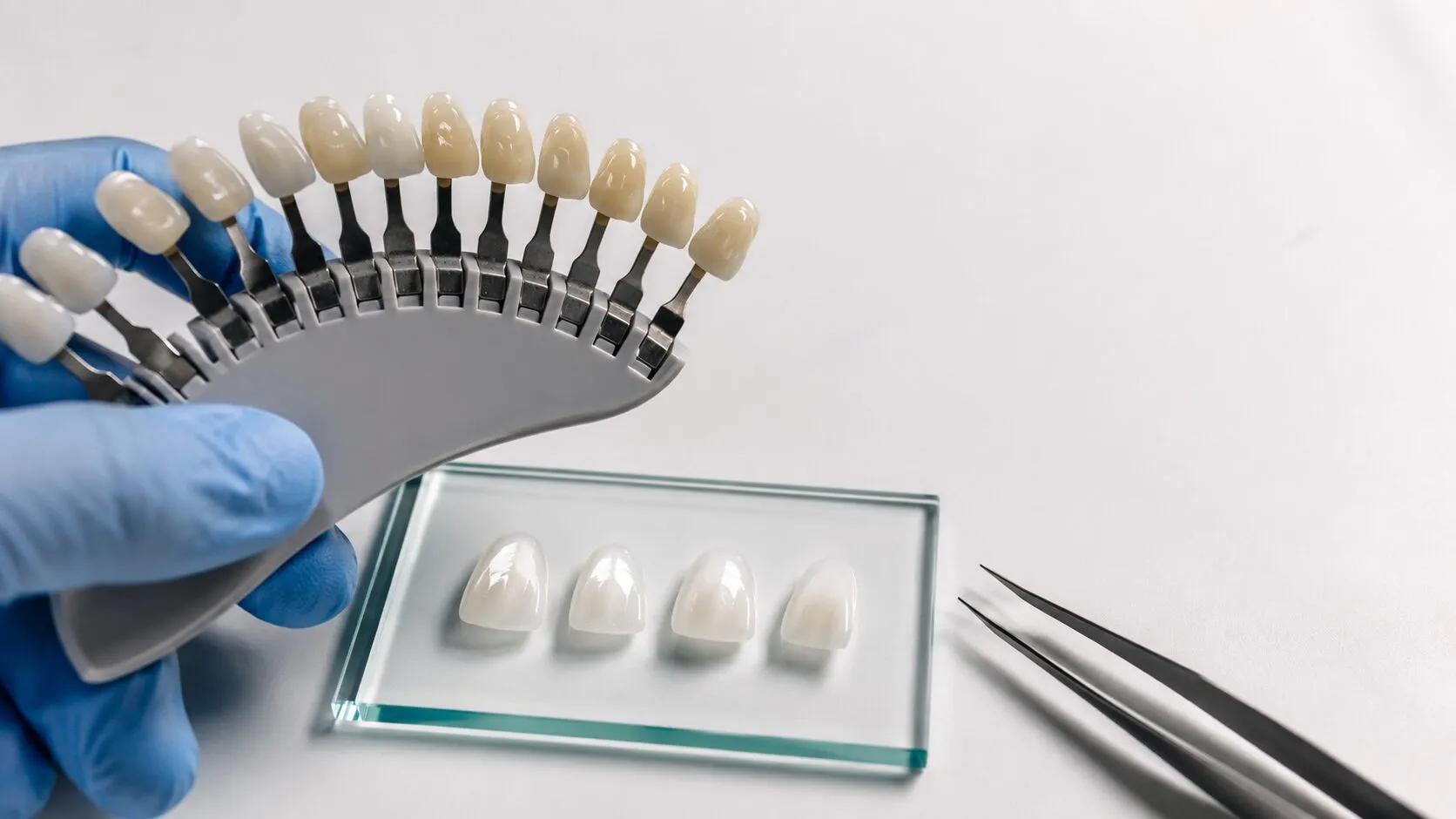
Dental implants are artificial tooth roots, typically made of titanium, that provide a permanent base for fixed replacement teeth. Implants fuse with your jawbone, providing stable support for artificial teeth.
What Are the Benefits of Dental Implants?
- Natural appearance: Dental implants look and feel like your own teeth.
- Improved speech: Unlike dentures that can slip, implants allow you to speak without worry.
- Comfort: They become part of you, eliminating the discomfort of removable dentures.
- Easier eating: Implants function like your own teeth, allowing you to eat with confidence.
- Durability: Implants are built for the long term — a 2019 systematic review and meta-analysis in the Journal of Dentistry reported ten-year implant survival of 96.4%. The crown on top is a separate component and wears like any other restoration; expect it to need replacing after roughly 10–20 years.
- Oral health: Implants don't require reducing other teeth, leaving more natural teeth intact. They are also the only replacement that loads the jawbone, which is what stops the bone under a gap from shrinking.
What Does the Implant Procedure Involve?
Initial Consultation
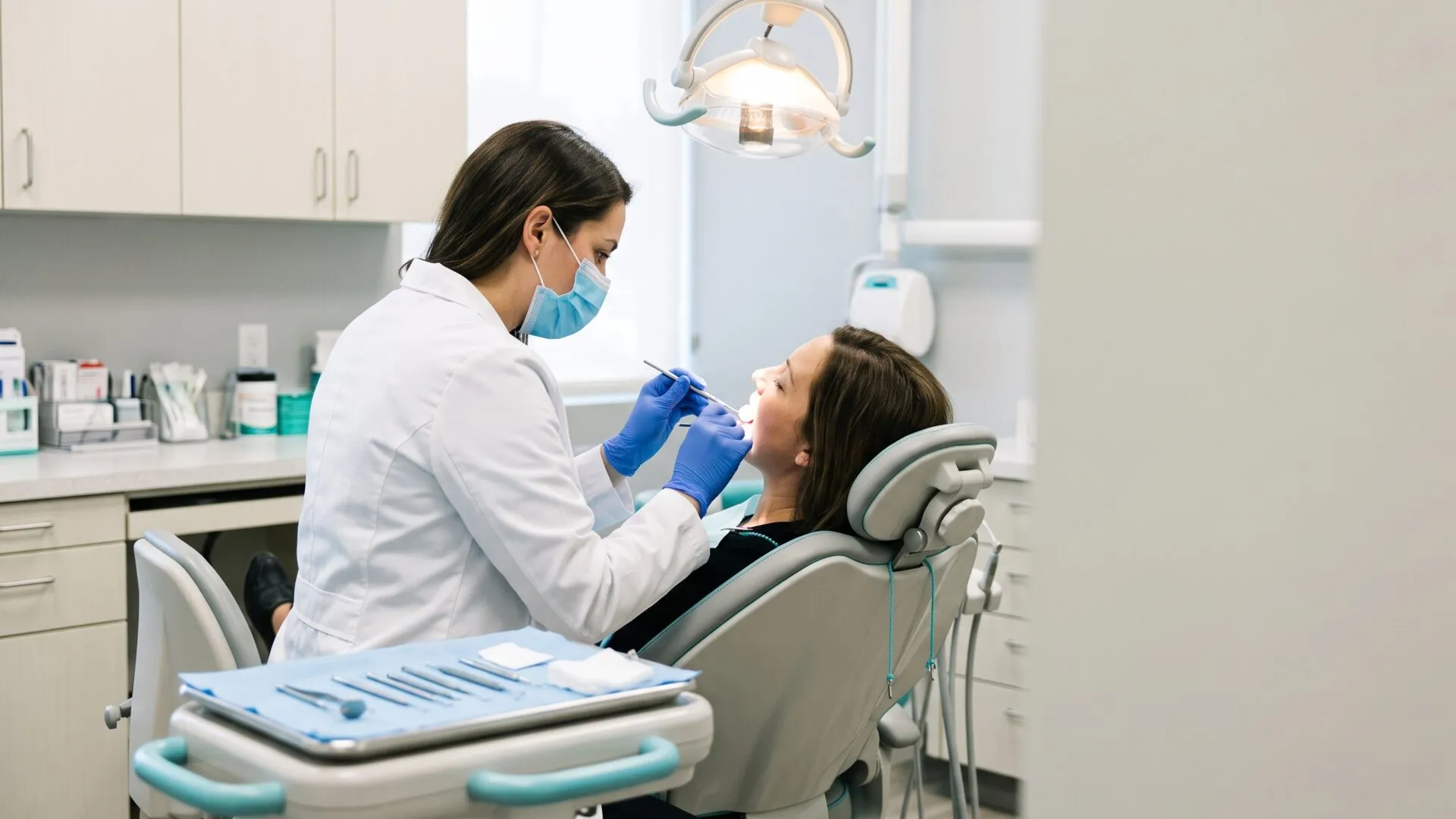
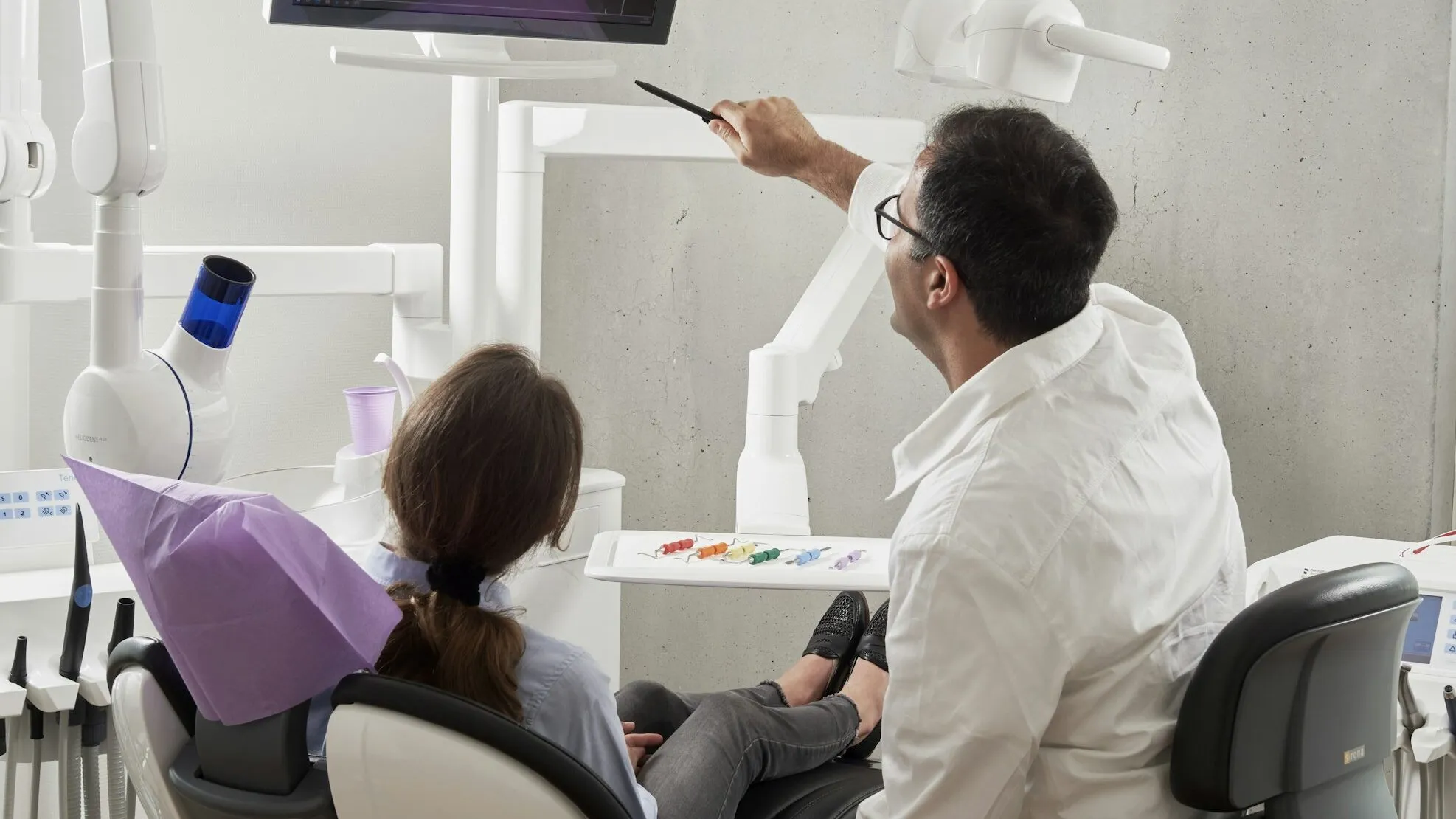
Your dentist will thoroughly examine your teeth, gums, and jawbone including X-rays or 3D scans.
Implant Placement
The implant, a small titanium post, is surgically placed into the jawbone where the tooth is missing.
Healing and Osseointegration
Over the next three to six months the implant fuses with the jawbone, a process called osseointegration. This is the part that cannot be hurried — it is biology, not scheduling — and it is why an implant is a months-long treatment rather than a single appointment. You are not left with a gap meanwhile; a temporary tooth is normally provided where the space shows.
Crown Placement
Finally, a crown (artificial tooth) is placed on the abutment, completing the process.
How Do You Care for a Dental Implant?
- Maintain good oral hygiene: Brush twice daily, floss once daily, and use antibacterial mouthwash.
- Regular dental check-ups: Visit your dentist every six months.
- Avoid hard foods: Don't chew on hard items like ice or hard candy.
- Quit smoking: Smoking restricts blood flow to healing bone and measurably raises the risk of failure.
What Can Go Wrong With a Dental Implant?
Two things, mainly, and knowing about them is what keeps them small.
Failure to integrate. Occasionally the bone does not fuse to the post during those first months. It is uncommon, it almost always shows up early rather than years later, and the usual course is to let the site heal and reassess.
Peri-implantitis. This is the long-term one, and it is the reason implants are not maintenance-free. An implant cannot decay — which is precisely why people stop paying attention to it — but the gum and bone around it can become inflamed and recede exactly as they do around a natural tooth, and lost bone does not grow back on its own. It is driven by plaque, and the risk is considerably higher in smokers and in people whose diabetes is poorly controlled. Cleaning carefully around the implant and keeping your review appointments is not fussiness; it is the difference between an implant that lasts decades and one that does not.
Who Is Not a Good Candidate Right Now?
"Not yet" is a more common answer than "never". Untreated gum disease has to be brought under control first — building an implant on inflamed, receding bone is building on a foundation that is still moving. Uncontrolled diabetes impairs healing, so stabilising blood sugar with your physician comes first. Heavy smoking is a genuine risk factor rather than a lecture. And where a tooth has been missing for years, the bone may have shrunk too far to hold an implant without grafting, which adds a surgical stage and months of healing. None of these rules you out permanently; they change the order of the plan.
Placement near the nerve in the lower jaw or the sinus above the upper back teeth is surgery, and how demanding it is varies enormously from one site to the next — which is why the training the case actually calls for is a fair thing to ask about before you agree to anything.
Dental implants are a durable, well-evidenced way to replace a missing tooth, and for most people the main decision is not whether they work but whether the timing and the foundation are right. Read about our implant service, see what drives the figure in our guide to dental implant cost in Lahore, or compare the alternatives on our restorative dentistry page. When you are ready, schedule a consultation.