In short: dental anxiety is common and manageable. What works is control and predictability — telling the dentist beforehand, agreeing a stop signal, having each step explained before it happens, and starting with a short, low-stakes appointment rather than the treatment you dread. Sedation exists for severe cases, but most people need a different approach rather than a stronger drug.
If the thought of sitting in a dental chair makes your heart race, you are not alone. Dental anxiety is one of the most common reasons people put off treatment, and for some the fear is severe enough that they avoid dental care entirely for years. The good news is that dental anxiety is well understood, and there are proven strategies to manage it effectively.
Why Are People Afraid of the Dentist?
Dental anxiety usually stems from one or more of these sources:
- A painful past experience: One bad visit, especially in childhood, can create a lasting association between dentistry and pain.
- Loss of control: Lying back with your mouth open while someone works with sharp instruments is inherently vulnerable.
- Embarrassment: Many anxious patients have avoided care for so long that they feel ashamed of the condition of their teeth, which makes them avoid going even longer.
- Sensory triggers: The sound of a drill, the smell of a dental office, or the sensation of numbness can all provoke anxiety even before treatment begins.
Understanding the root of your anxiety is the first step toward addressing it.
What Is the Tell-Show-Do Technique?
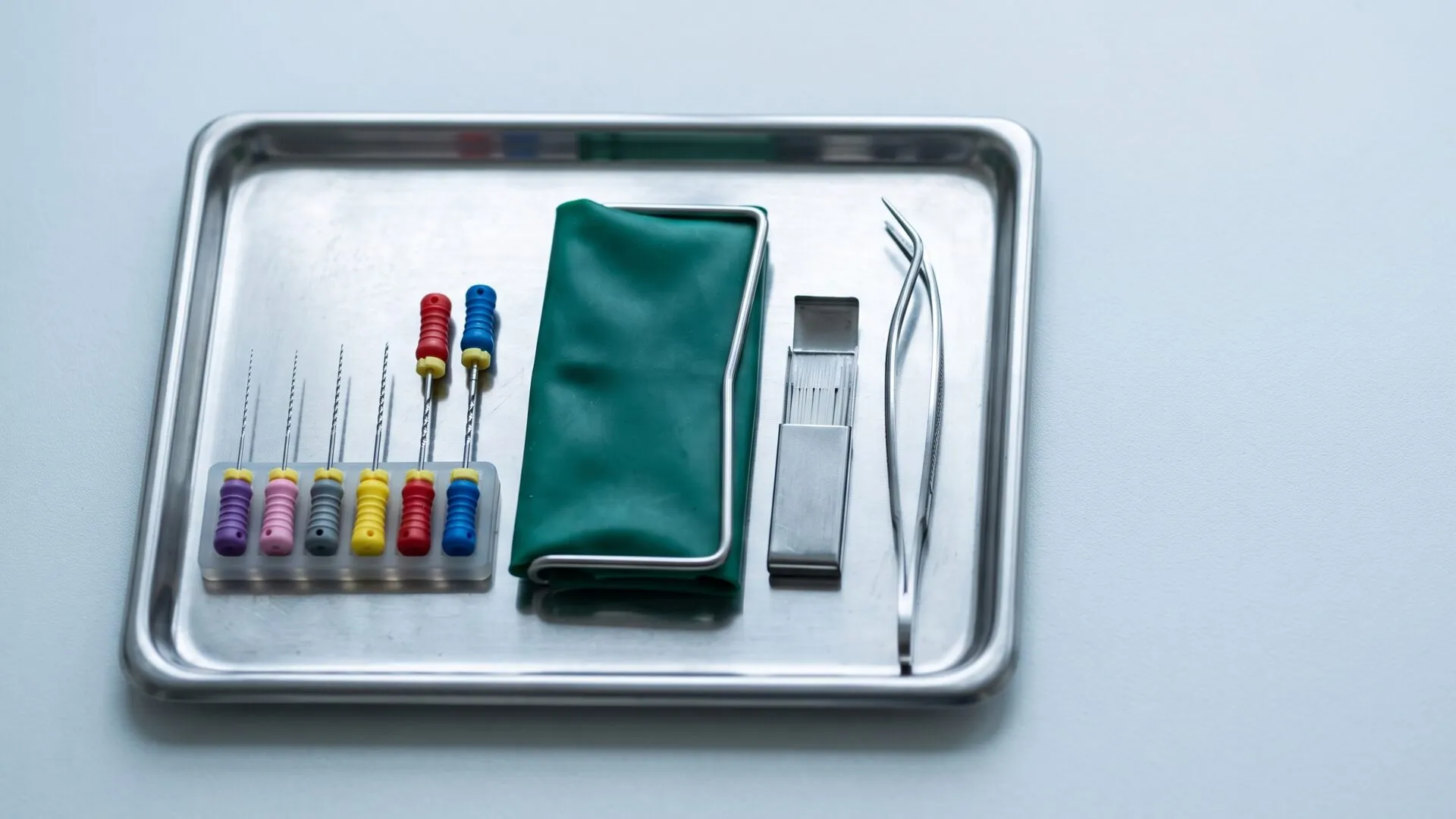
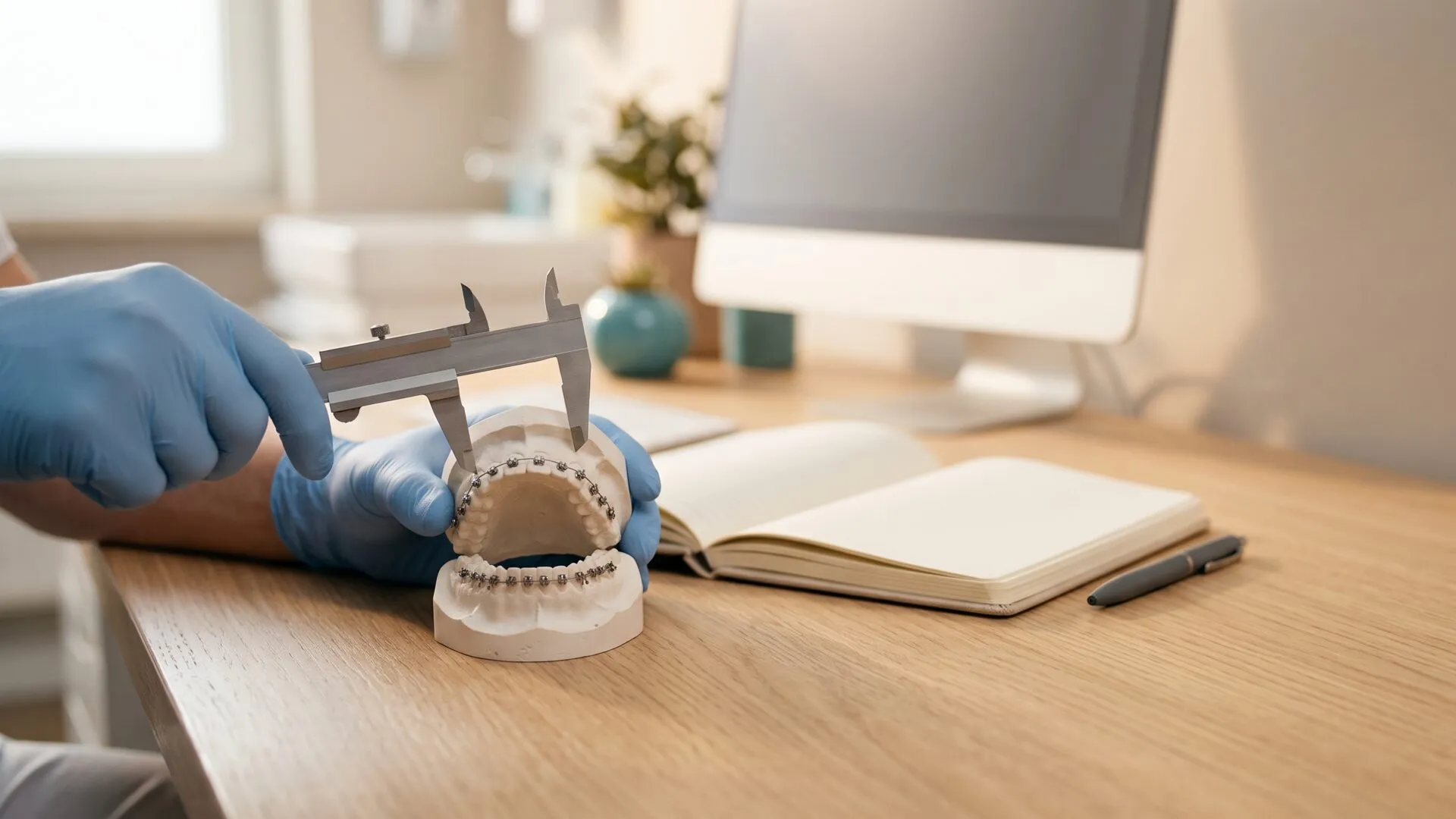
Originally developed for pediatric patients, where behaviour management is a formal part of the training rather than an improvised knack, tell-show-do works remarkably well for anxious adults too. Your dentist explains what they are going to do (tell), demonstrates the instrument or procedure on a model or on your hand (show), and then performs the procedure (do). This removes the element of surprise that many anxious patients find most distressing. Do not hesitate to ask your dentist to walk you through each step. A good practitioner will be happy to do so.
What Sedation Options Are Available?
For patients who need more than conversation and technique adjustments, sedation dentistry offers several levels of relief:
- Nitrous oxide (laughing gas): Inhaled through a mask, it produces a calm, relaxed feeling within minutes. It wears off quickly, and you can drive yourself home afterward. This is ideal for mild to moderate anxiety.
- Oral sedation: A prescribed medication taken before your appointment produces a deeper level of relaxation. You will be awake but may feel drowsy and may not remember much of the procedure. You will need someone to drive you home.
- IV sedation: Administered through a vein, this allows the dentist to adjust the level of sedation precisely. It is used for more extensive procedures or severe anxiety. You will need a companion to take you home and should plan to rest for the remainder of the day.
One caveat specific to Pakistan, because almost everything written on this subject describes American or British practice. Sedation is not standard equipment in general dental clinics here. Nitrous oxide is uncommon outside larger or specialist practices; intravenous sedation and general anaesthesia normally belong in a hospital or day-surgery setting with an anaesthetist present, not chairside in a clinic. So ask directly what a clinic can actually provide before you build a plan around it, and treat a confident "yes, of course" that comes with no detail as worth probing.
It is also worth knowing that for most anxious patients the techniques described elsewhere in this article do more work than any drug does. Sedation solves a specific problem — it makes an unavoidable procedure tolerable for someone whose anxiety is severe — and it does nothing about the reason the anxiety exists. A clinic that cannot sedate you should still be able to tell you where it refers patients who need it. Discuss all of this before your appointment so you arrive with a plan rather than a hope.
Which Breathing Exercises Help With Dental Anxiety?
Simple breathing techniques can lower your heart rate and reduce the physical symptoms of anxiety before and during treatment:
- 4-7-8 breathing: Inhale through your nose for 4 seconds, hold for 7 seconds, exhale slowly through your mouth for 8 seconds. Repeat three to four times.
- Diaphragmatic breathing: Place one hand on your chest and one on your belly. Breathe so that your belly rises while your chest stays relatively still. This activates your parasympathetic nervous system and calms the fight-or-flight response.
Practice these at home first so they feel natural when you need them in the chair.
How Should You Talk to Your Dentist About Anxiety?
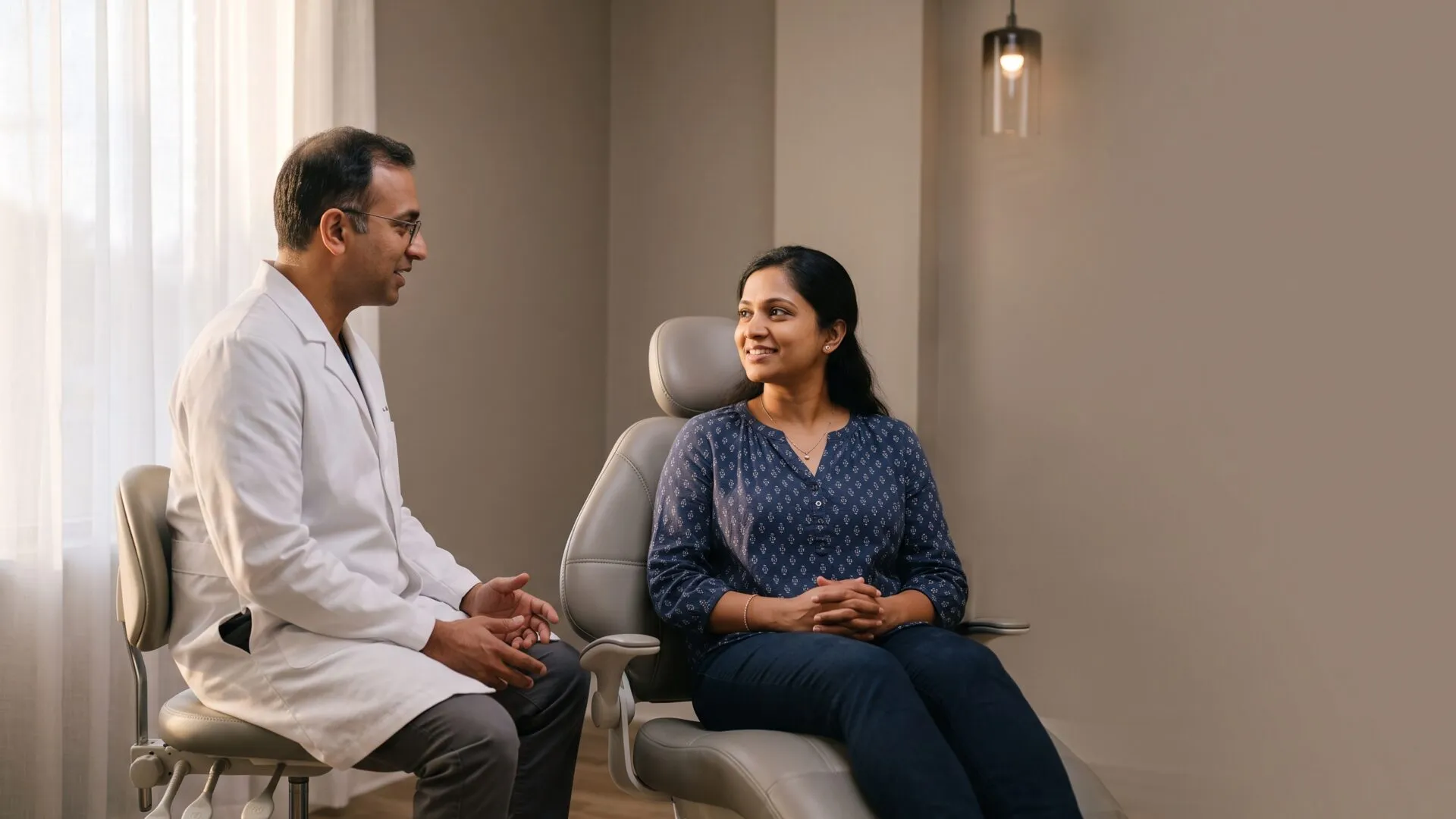
Agree on a signal with your dentist before treatment begins. Raising your left hand is common. When you signal, everything stops. Knowing you have the power to pause the procedure at any moment gives you back a sense of control, and that alone can reduce anxiety significantly. Also, let your dentist know specifically what bothers you. If it is the needle, there are topical numbing gels applied beforehand. If it is the drill sound, bring headphones. The more your dental team knows, the better they can adapt.
How Do You Choose a Dentist If You Are Anxious?
Not every dental practice is set up to handle anxious patients well. When looking for a dentist, consider these factors:
- Do they offer sedation options?
- Are they willing to spend extra time with you before treatment?
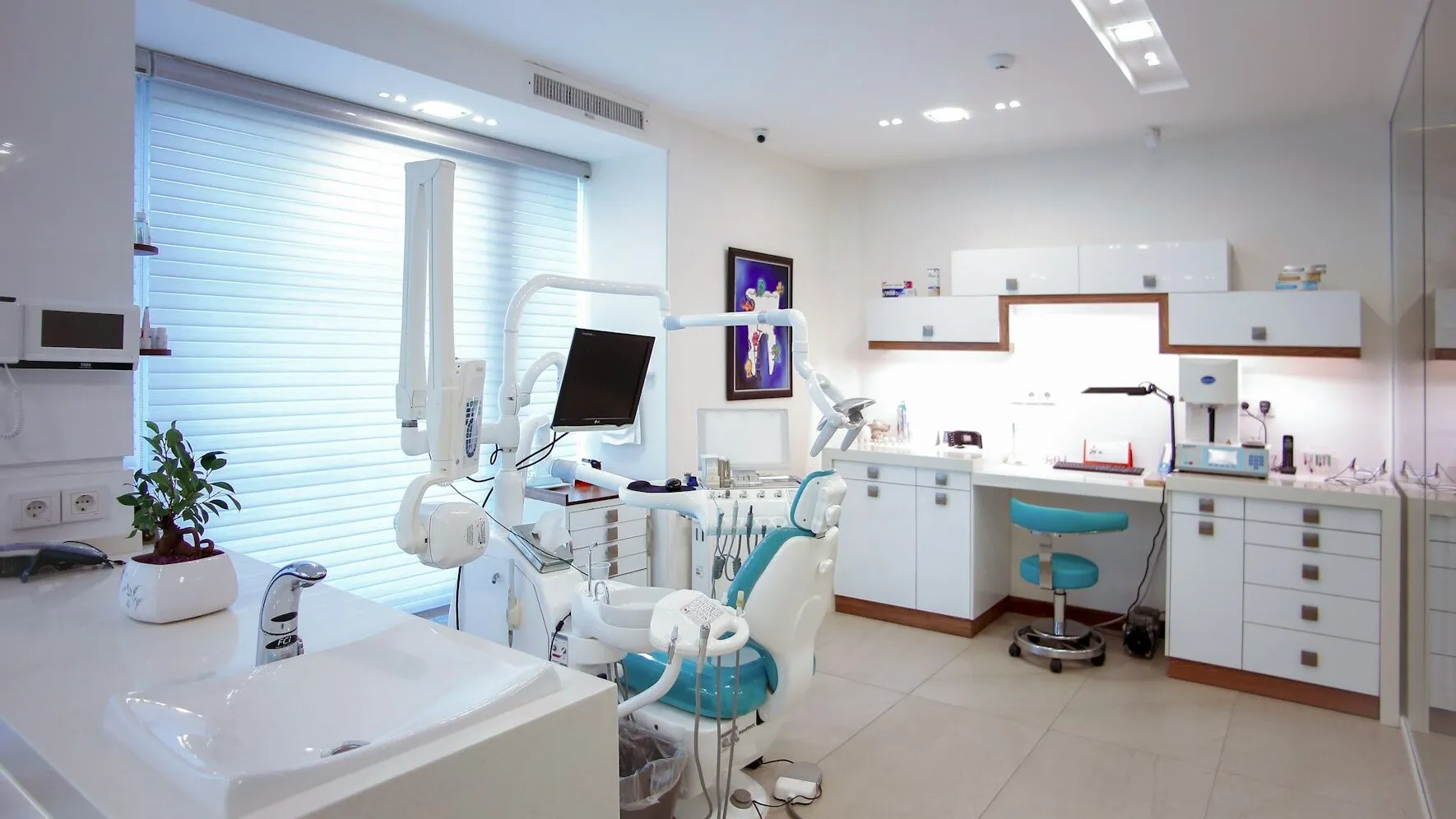
- Does the office environment feel calm rather than clinical?
- Do they have reviews from other anxious patients who had positive experiences?
- Will they let you do a consultation visit with no treatment, just a conversation?
Does Gradual Exposure Actually Work?
If your anxiety is severe, you do not have to go from zero to a full procedure in one step. A gradual approach might look like this:
- Visit the office just to meet the team and see the space.
- Sit in the chair and have a conversation without any instruments.
- Have a simple examination with a mirror and explorer only.
- Get a professional cleaning.
- Proceed to any needed treatment.
Each step builds confidence and positive associations. It takes longer, but for patients who have been avoiding the dentist for years, this approach gets them into care when nothing else has worked.
What Should You Expect at a Gentle Dental Visit?
A practice that prioritizes anxious patients will typically greet you warmly and without judgment, explain everything before and during the procedure, check in with you frequently, take breaks when needed, and follow up afterward to see how you are doing. You deserve dental care that does not feel like an ordeal, and with the right preparation and the right team, it does not have to be.
At Happy Tooth we see anxious patients every week, and a no-treatment first visit is always an option — come in, meet the team, ask questions, and only proceed when you feel ready. Book a consultation whenever it suits you; the clinic is open 03:00 PM - 09:00 PM, so an appointment after work is usually possible.
How Common Is This, Really?
Common enough that you are the ordinary case rather than the difficult one. A systematic review and meta-analysis of dental fear in adults, pooling studies from many countries, estimated that roughly one adult in six has high dental fear and around one in ten meets the threshold usually described as dental phobia. Women report it more often than men, and the figures are broadly stable across the populations studied.
That is worth saying plainly because the most common thing anxious patients tell us is some version of "you must think I am being ridiculous". Statistically, several people in the Lahore waiting room you are sitting in feel the same way.
What Actually Works — and What the Evidence Says
A 2024 systematic review and meta-analysis of randomised trials looked at the whole range of interventions offered for dental anxiety. Its useful finding for a patient is that psychological approaches — graded exposure, cognitive behavioural techniques, structured relaxation — have the better evidence behind them for lasting change, while sedation reliably handles the appointment in front of you without changing how you feel about the next one. A randomised trial of cognitive behavioural therapy in anxious children found the same shape of result: the fear itself moved, not just that day's appointment.
Neither is better in the abstract. They answer different questions. If your problem is one unavoidable procedure, sedation is the sensible tool. If your problem is that you have avoided dentistry for eleven years and have a mouth's worth of work waiting, treating the appointment alone will not get you through it.
Communication is the third leg and it is not soft-focus advice — a person-centred analysis of dental attendance found trust and the quality of dentist-patient communication to be directly tied to whether anxious patients attend at all, and a scoping review of what determines that relationship reached the same place. The permission to stop, and the certainty that stopping will be honoured, is doing real work.
What About Sedation Here?
Ask what is actually being offered, because "sedation dentistry" covers a wide range. A Cochrane review of sedation for children undergoing dental treatment found the evidence for most agents low-certainty, with nitrous oxide the best supported of the ordinary options. For adults, an oral anxiolytic before an appointment is a different thing from intravenous sedation, which is a different thing again from a general anaesthetic — different risks, different monitoring, different people needed in the room.
In Lahore, "sedation" is advertised by clinics offering all three, and by some offering none of them under close monitoring. Before agreeing, ask which drug, given how, who is monitoring you while the dentist works, and what happens if you react badly. A clinic that cannot answer those four questions crisply is not the place to have it done.
Getting Started in Johar Town
The practical obstacle for most anxious patients here is not the treatment; it is the first phone call. Two things make it easier. Say when you book that you are anxious — it is a normal thing to say, it changes how the appointment is scheduled, and it means nobody starts by asking why you have not been in for a decade. And bring somebody with you. Nothing about the appointment requires you to arrive alone.
An appointment at a quieter hour is also worth asking for. A waiting room with three children in it is a harder room to sit in, and the first slot of the evening is usually the calmest one in the day.
Sources
- Silveira ER, Cademartori MG, Schuch HS, Armfield JA, Demarco FF. Estimated prevalence of dental fear in adults: A systematic review and meta-analysis. Journal of Dentistry. 2021;108:103632.
- Steenen SA, Linke F, van Westrhenen R, de Jongh A. Interventions to reduce adult state anxiety, dental trait anxiety, and dental phobia: A systematic review and meta-analyses of randomized controlled trials. Journal of Anxiety Disorders. 2024;105:102891.
- Shahnavaz S, Hedman E, Grindefjord M, Reuterskiöld L, Dahllöf G. Cognitive Behavioral Therapy for Children with Dental Anxiety: A Randomized Controlled Trial. JDR Clinical and Translational Research. 2016;1(3):234–243.
- Ashley PF, Chaudhary M, Lourenço-Matharu L. Sedation of children undergoing dental treatment. Cochrane Database of Systematic Reviews. 2018;12(12):CD003877 — low-certainty evidence for most agents.
- Yuan S, Freeman R, Hill K, Newton T, Humphris G. Communication, Trust and Dental Anxiety: A Person-Centred Approach for Dental Attendance Behaviours. Dentistry Journal. 2020;8(4):118.
- Choi H, Kim RJ, Park SY, Lee J, Song Y. Determinants of Dentist-Patient Relationships: A Scoping Review. International Dental Journal. 2024;74(5):1078–1088.