In short: you are no longer choosing between metal braces and nothing. Clear aligners, ceramic brackets, lingual braces behind the teeth and self-ligating systems all straighten teeth, and they differ mainly in visibility, comfort and how complex a case they can handle. The most discreet option is not always the one that will fix your bite.
Orthodontic treatment has come a long way from the days when traditional metal braces were the only option. Today's patients have access to innovative solutions that are more comfortable, less visible, and in some cases, more efficient.
Are Clear Aligners as Effective as Braces?
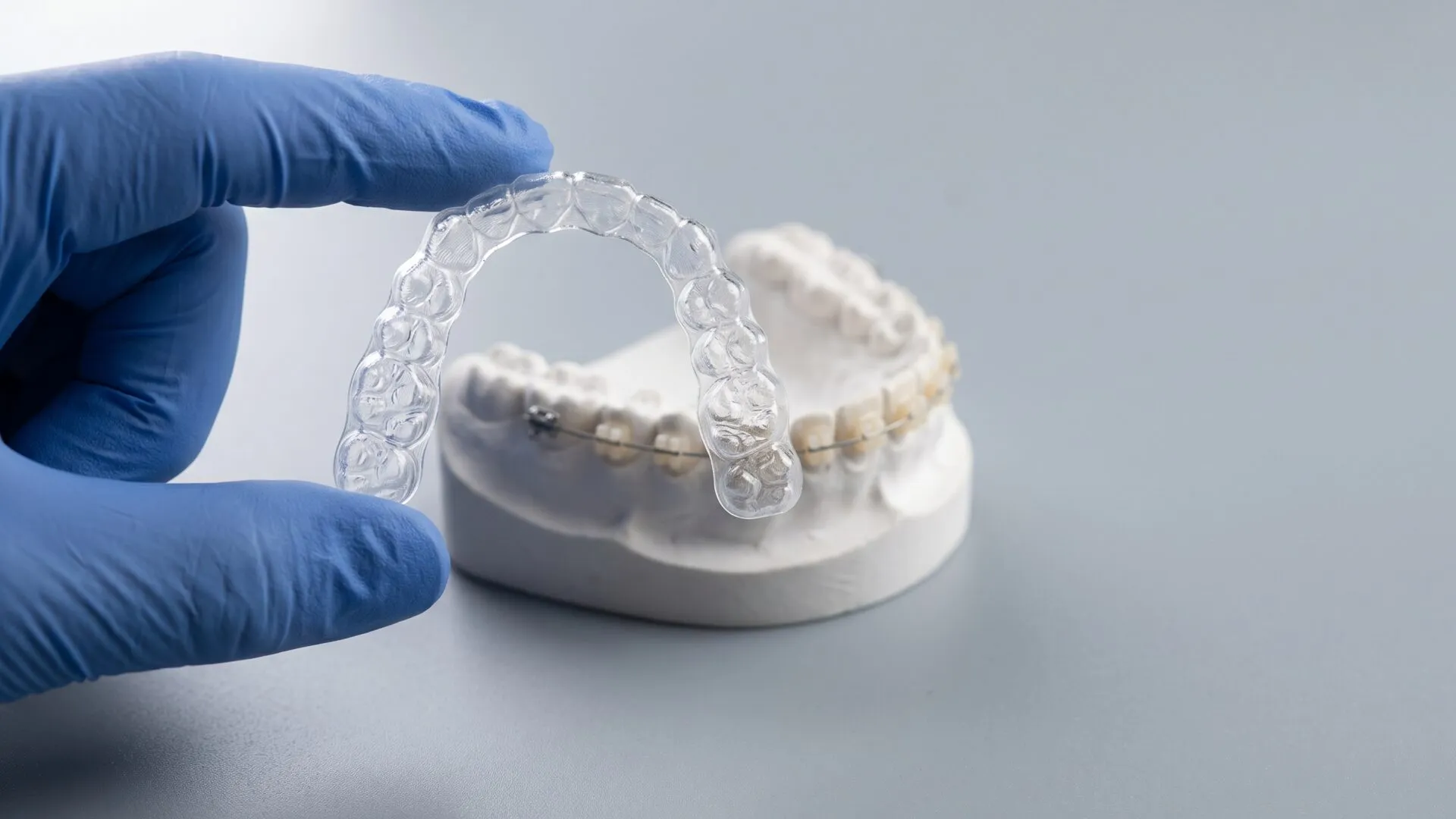
For the right case, yes — and for the wrong one, no. Aligners are custom-made transparent trays, changed every one to two weeks, each moving the teeth a fraction further along a planned path. They handle mild to moderate crowding and spacing very well. Where they struggle is the work that needs precise three-dimensional control: rotating a round tooth, moving a root rather than tipping a crown, closing extraction spaces, and correcting skeletal bite problems. Those cases are still better served by fixed braces, and an orthodontist telling you so is giving you the honest answer rather than the fashionable one.
Advantages
- Aesthetics: Nearly invisible when worn
- Removability: Can be taken out for eating and oral hygiene
- Comfort: No metal brackets or wires
- Convenience: Fewer in-office visits required
The Condition Attached
Aligners only work while they are in your mouth, which means 20 to 22 hours a day, every day — out for meals and brushing, back in immediately afterwards. This is the single biggest reason aligner treatment runs late, and no amount of technology compensates for it. If a 22-hour habit is not realistic for your routine, fixed braces are not the inferior option; they are the one that works around the clock without asking anything of you.
A related caution: aligners ordered online from photographs, with no in-person examination and no X-rays, skip the part of the process that matters. Gum disease, bone loss and root problems are invisible in a selfie, and moving teeth through unhealthy bone causes damage that the aligners themselves cannot detect. Any orthodontic treatment should begin with an examination and proper records.
What Are Lingual Braces?
Custom-made braces attached to the inner surface of teeth, making them virtually invisible from the front. Can treat complex cases that clear aligners cannot.
How Discreet Are Ceramic Braces?
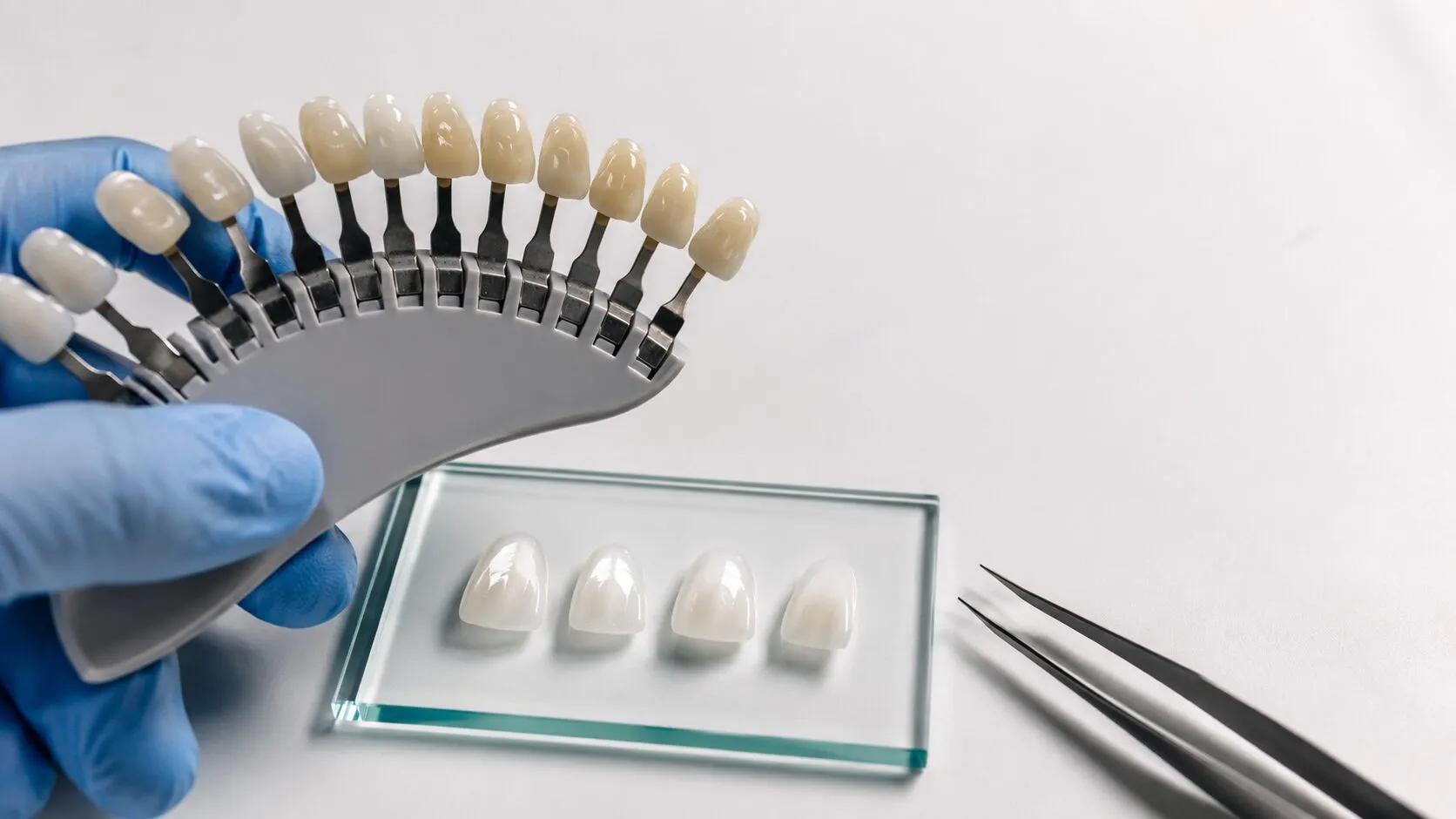
Work just like metal braces but use tooth-colored or clear brackets that blend with the natural color of teeth.
What Are Self-Ligating Braces?
Use special clips built into brackets to hold the wire, allowing teeth to move more freely with less friction.
Can Orthodontic Treatment Be Sped Up?
- Micro-osteoperforation: small perforations in the bone intended to speed tooth movement. Manufacturers quote substantial time savings, but independent evidence is limited and mixed.
- Low-level light therapy: claimed to accelerate tooth movement. The evidence base is still thin, and any orthodontist quoting a firm percentage is going beyond what the research supports.
- Vibration devices: marketed as speeding tooth movement. The evidence does not support the claim — systematic reviews and clinical trials of low-frequency vibration have found no meaningful effect on the rate of tooth movement, on treatment duration, or on the final result, and the benefit for discomfort is uncertain.
The honest summary of this whole category: teeth move at the pace bone remodelling allows, and no device on the market has convincingly changed that. Treat a promise of dramatically shorter treatment as a reason to ask what evidence it rests on.
What Happens After the Braces Come Off?
Retainers — and they are not an accessory, they are the final phase of the treatment. Teeth do not simply settle into their new positions: the fibres around them pull back toward where they started, and separately, teeth drift slowly throughout life whether or not anyone ever straightened them. Without retention a share of the correction is lost, and the more the teeth had to be rotated to get there, the faster it goes.
Expect full-time wear immediately after treatment, then indefinite wear at night. Retainers come as clear removable trays, as a fine wire bonded behind the front teeth, or both together; a bonded wire needs checking, because one that comes loose at a single point can move a tooth by itself. Any plan without a clear answer about which retainer, for how long, and who reviews it is an unfinished plan — and that answer belongs in the written estimate rather than as a surprise at the last appointment.
How Do You Choose Between These Options?
- Complexity of your case: severe misalignment, bite correction and extraction cases may need fixed braces regardless of preference
- Lifestyle considerations: how much does visibility actually matter to you day to day?
- Discipline: removable options only work if they are worn 20–22 hours daily
- Cleaning: fixed appliances are harder to keep clean, which matters if your gums are already inflamed
- Cost: the appliance is only part of it — records, adjustments and retainers belong in the same conversation
The choice is less about which appliance is newest than about what your bite needs. Where the problem is the jaws rather than the teeth, where a child is still growing, where teeth are impacted, or where healthy teeth would have to be extracted, an orthodontist's assessment is worth seeking whoever ends up providing the treatment. Explore our orthodontic services, see what shapes the figure in our guide to braces cost in Lahore, or book a consultation to talk through your options.